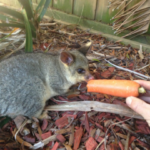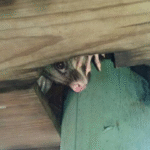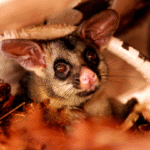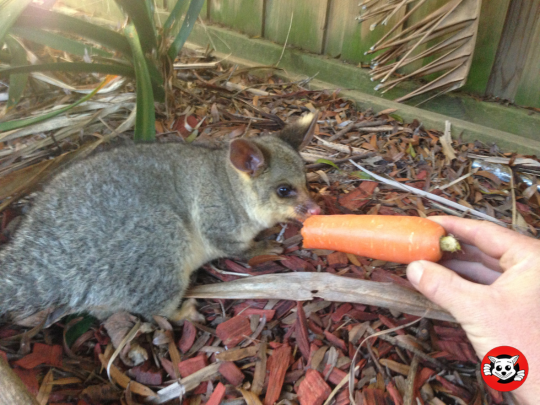
As the sun sets across Australian suburbs, a familiar nighttime routine begins. You might hear the rustle of leaves in your backyard, followed by a heavy thud on your roof. Living near native wildlife is a wonderful part of Australian life. However, sharing your property with brushtail and ringtail possums often brings a unique set of challenges.
Many homeowners want to protect local wildlife. At the same time, nobody wants an uninvited guest setting up camp in their ceiling cavity. Possums can cause severe damage to electrical wiring, insulation, and plasterboard if they get inside. But what if you could enjoy the presence of these fascinating marsupials without risking a roof invasion?
The secret lies in peaceful coexistence. By understanding possum behaviour, you can create an outdoor environment that meets their needs. When possums have plenty of food and shelter outside, they have far less reason to break into your house. This guide will show you exactly how to build a possum-friendly garden while keeping your home completely secure.
What Are the Benefits of a Possum-Friendly Garden?
You might wonder why you should encourage possums to hang around your property in the first place. Isn’t it better to just chase them away? The reality is that possums are highly territorial native animals protected by Australian law. If you remove one, another will simply take its place. Learning the art of coexisting with possums is the most practical and sustainable approach.
Creating a dedicated possum-friendly garden offers several distinct advantages for both you and the local ecosystem.
Supporting the Local Ecosystem
Possums play a crucial role in the Australian environment. They help pollinate native flowers and disperse seeds across long distances. As urban development continues to clear their natural habitats, suburban gardens become vital safe havens. By providing the right trees and plants, you help sustain local biodiversity and support a healthy ecological balance in your neighbourhood.
Reducing the Urge to Scavenge Indoors
When a possum enters your roof, it is usually looking for two things: a safe place to sleep and a reliable food source. If your backyard resembles a barren wasteland, a possum will naturally look toward your warm, dry ceiling cavity for comfort.
However, if your garden offers lush native foliage, dedicated sleeping quarters, and fresh water, the possum has everything it needs right there. A well-designed garden actively distracts them from your house.
Protecting Your Prized Plants
Possums are notorious for decimating prized vegetable patches and exotic ornamental flowers. If you create specific zones in your yard with plants that possums naturally prefer, they are much more likely to leave your delicate roses and tomatoes alone. You can guide their feeding habits by offering a more appealing, native buffet.
How Do I Create a Possum-Friendly Garden?
Building an outdoor sanctuary for wildlife requires a bit of planning. The goal is to incorporate native Australian garden design principles that cater directly to possum habits. Here are the most effective ways to make your yard a paradise for native marsupials.
Plant Native Food Sources
The easiest way to keep possums happy outside is to feed them their natural diet. Possums thrive on native Australian flora. By planting the right trees and shrubs, you provide a sustainable food source that regenerates naturally.
Consider planting species such as:
- Eucalyptus: A staple for many native animals, providing both food and excellent climbing opportunities.
- Banksias and Grevilleas: These nectar-rich flowers are absolute favourites for ringtail and brushtail possums.
- Lilly Pilly: The dense foliage offers great cover, and possums love to snack on the berries.
- Bottlebrush (Callistemon): Another excellent source of nectar that grows well in most Australian climates.
- Wattle (Acacia): Provides nutritious seeds and leaves.
When you group these plants together away from your house, you create a dedicated feeding zone. This keeps the possums occupied at the back of your block, rather than foraging near your roofline.
Install Dedicated Nesting Boxes
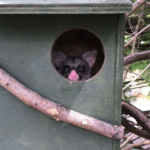
Possums are arboreal, meaning they spend their lives up in the trees. They need dark, warm, and secure hollows to sleep during the day. Because large, old trees with natural hollows are rare in modern suburbs, possums often turn to roof cavities. You can solve this problem by installing a possum nesting box.
We recommend purchasing a sturdy, weather-proof possum nesting box directly from the Possum Busters. Mount the box high up in a mature tree, ideally four to five metres off the ground, facing away from the harsh afternoon sun and prevailing winds. By placing the box well away from your house, you offer possums a comfortable, natural alternative to your ceiling cavity.
Provide a Safe Water Source
Like all animals, possums need fresh water to survive, especially during the scorching Australian summer. Providing a safe water source encourages them to stay in their designated garden zone.
Install a birdbath or a shallow water bowl elevated on a sturdy pedestal. Possums prefer to drink off the ground where they feel safe from predators like foxes or neighbourhood cats. Keep the water clean and top it up regularly. Ensure the water station is located near their feeding trees and far away from your house walls.
Avoid Chemical Pesticides
A truly possum-friendly garden must be free of harmful chemicals. Snail pellets, chemical fertilisers, and strong pesticides can make possums severely ill or even prove fatal. Embrace natural pest control methods in your garden to ensure the environment remains safe for all visiting native wildlife.
How Do I Stop Possums Entering My Home?
You have built a beautiful outdoor sanctuary. Now, you must focus on protecting your home from possums. Even with the best garden in the world, a curious brushtail might still try to explore an open roof tile. You need to create a strict boundary between the outdoor wildlife zone and your indoor living space.
Trim Branches Away From the Roofline
Possums are spectacular acrobats. They use overhanging tree branches as a highway straight onto your roof. The first step in protecting the home is to cut off this access.
Inspect the perimeter of your house. Trim back any tree branches so there is at least a two-metre gap between the foliage and your roof, gutters, or balcony. While possums can jump, a wide gap significantly reduces their ability to leap onto your house. Regularly maintain these trees, as branches grow back quickly in the warmer months.
Identify and Seal All Entry Points
Possums can squeeze through surprisingly small gaps. A hole the size of a tennis ball is all a determined brushtail needs to get inside. You must thoroughly inspect your home’s exterior to find and block these vulnerabilities and seal entry points.
- Walk around your house during the day and look for:
- Broken, loose, or missing roof tiles.
- Gaps around plumbing pipes or electrical conduits entering the walls.
- Rotting timber in the eaves, fascia boards, or soffits.
- Unsecured ventilation grates.
Repair any damage using robust materials. Possums have sharp claws and strong teeth, so weak patching jobs will not last. Use heavy-duty wire mesh, sheet metal, or solid timber to seal gaps.
Apply Natural Possum Deterrents
If your home has a traditional fireplace, the chimney acts as a massive, open tunnel straight into your living room. Possums often explore chimneys in search of a dark hollow, only to fall and become trapped.
Prevent this by installing a heavy-duty, stainless-steel chimney cowl or mesh cap. This simple addition allows smoke to escape safely while keeping possums, birds, and heavy rain out of your house.
Manage Your Rubbish Bins
A possum-friendly garden should provide natural food, not human leftovers. If your wheelie bins are overflowing or easily accessible, possums will treat them as an all-you-can-eat buffet right next to your house.
Ensure your rubbish and compost bins have tight-fitting, secure lids. If possums are persistently lifting the lids, use a bungee cord or a heavy brick to keep them shut. Store the bins as far from the house as possible to avoid attracting wildlife to your exterior walls.
Make Your Garden Possum-Friendly and Protect Your Home
Ready to enjoy a thriving garden and safeguard your home at the same time? Start by planting native food sources, installing nesting boxes, and providing clean water, then double down on home protection by trimming branches, sealing all entry points, and managing your bins wisely.
By taking these steps, you’ll support native wildlife and keep your living spaces secure. Share this guide with neighbours and friends to build a community of possum-conscious gardeners.
If you suspect a possum might be inside your roof or need advice on proofing your property, don’t go it alone; reach out to our professional possum removal and proofing team today for expert help and peace of mind.