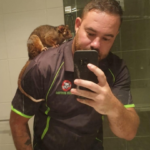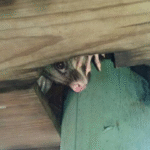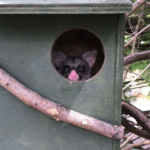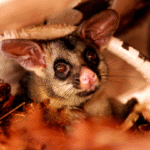
Hearing the heavy thumping of a possum in your roof is stressful enough without worrying about whether you’re breaking the law by trying to get rid of it. Many Australian homeowners find themselves in a difficult position – they want the noise and damage to stop, but they also want to do the right thing by our native wildlife.
Because possums are such a common part of urban life in Australia, there is a lot of confusion about what you can and cannot do when one decides to move into your ceiling. Can you trap it? Can you move it to a nearby park? Is it okay to block up the hole?
Before you take any action, it is critical to understand the legal landscape.
Quick Answer
Yes, possum removal is legal in Australia, but only when done correctly and humanely. All possum species are protected under Australian wildlife laws, making it illegal to harm, relocate incorrectly, or kill them. Removal must follow strict guidelines and is typically carried out by licensed possum removal professionals.
Are Possums Protected in Australia?
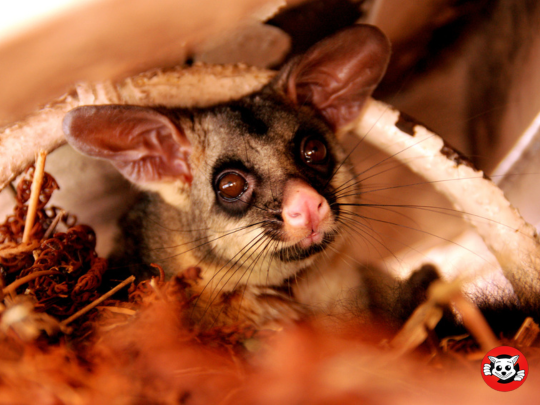
The short answer is yes. In Australia, native wildlife is highly valued and strictly protected. This includes the Common Brushtail Possum and the Common Ringtail Possum, the two species most likely to be found making a racket in your roof.
These animals are protected under various state and federal acts, such as the Biodiversity Conservation Act 2016 in New South Wales. These laws exist because possums are an integral part of the Australian ecosystem. While they might feel like pests when they are keeping you awake at 3 AM, they play a vital role in nature, including pollination and seed dispersal.
For homeowners, this protection status means that possums are not “vermin” like rats or mice. You do not have the right to treat them as such. You cannot simply decide to get rid of a possum in any way you see fit. The law recognises that, while possums and people often live in close quarters, the animal’s welfare must be prioritised during any interaction.
Is It Illegal to Remove a Possum Yourself?
This is where many well-meaning homeowners accidentally cross the line. It is not necessarily illegal for a homeowner to want a possum gone, but the specific actions taken to remove it are heavily regulated.
Generally speaking, you cannot trap a possum without a license or permit in many jurisdictions. Even where trapping is theoretically permitted under strict conditions, the rules regarding what you do after you catch the possum are extremely specific.
Here is why DIY removal often breaches the law:
- Relocation rules: You cannot just drive the possum to a nice bushland area five suburbs away. This is illegal.
- Humane treatment: If a possum is injured during your attempt to catch it, you may be liable for animal cruelty.
- Entrapment: If you seal an entry point while the possum is still inside, you are committing an offence by trapping the animal, which leads to a slow and inhumane death.
Most “common sense” solutions that homeowners try, like borrowing a trap from a friend or blocking holes during the day, often result in unintentional law-breaking. The legal risk is significant, which is why the job is best left to those who hold the necessary licenses.
What the Law Says About Possum Removal
The laws governing possum interactions are designed to ensure the animal survives and remains within its established territory. Possums are highly territorial creatures. If you remove a possum from its territory and drop it somewhere new, it will likely die. It will struggle to find food, shelter and will often be attacked by other possums defending their own turf.
Here are the key legal principles that dictate how removal must happen:
Relocation Distance Rules
This is the most surprising rule for most people. In most states, if a possum is caught, it must be released within a very short distance of where it was found, usually no more than 25 to 50 meters (depending on state regulations).
The law effectively says you can evict the possum from your roof, but you cannot evict it from your backyard. The goal is to get the possum out of the building, not off the property entirely.
Humane Treatment Requirements
Any interaction with the possum must be humane. This means traps must be checked regularly (usually within 24 hours) to prevent stress or dehydration. The animal cannot be exposed to harsh weather, dogs, or other threats while trapped.
Nesting and Breeding Considerations
There are also ethical and legal considerations regarding baby possums (joeys). If a female possum has a joey in her pouch or on her back, trapping her presents a high risk. If the mother is stressed, she may eject the joey, or the joey may become separated. Professional handlers know how to check for this and may delay removal until the young are independent.
Penalties for Illegal Possum Removal
Because these are protected native species, the penalties for harming them are not small parking tickets; they are significant fines enforced by state wildlife authorities.
Authorities take these matters seriously to deter animal cruelty and protect biodiversity. Penalties can apply for:
- Killing a possum (intentionally or through negligence).
- Relocating a possum too far from its capture site.
- Using illegal traps (such as leg-hold traps).
- Using poisons (baiting possums is strictly illegal and dangerous to other wildlife and pets).
Fines can range from several hundred dollars to significantly more, depending on the severity of the offence and the state you reside in. In severe cases of animal cruelty, prosecution can lead to criminal records. The enforcement exists to ensure that frustration with roof noise doesn’t lead to the inhumane treatment of Australia’s wildlife.
When Is Possum Removal Allowed?
Given all these protections, you might feel like you have no rights at all. That isn’t the case. The law acknowledges that humans and possums need boundaries.
Possum removal is generally allowed and considered necessary when:
- Roof Infestation: The possum is living inside the structure of a building (roof cavity, wall space, garage).
- Property Damage: The animal is causing damage to insulation, wiring, or ceilings.
- Safety Risks: There is a risk of fire from chewed wires or hygiene issues from urine and droppings accumulating in the ceiling.
In these scenarios, the “removal” is actually an “eviction.” You have the right to secure your home. The objective is to legally convince the possum to live in the trees outside rather than on the roof inside.
How Licensed Possum Removal Works
Since you can’t just move the possum to the next town, how do professionals solve the problem? Licensed possum removal is a process of exclusion, not extermination.
Here is the typical workflow of a compliant removal:
- Inspection: The professional inspects the roof to identify the species, locate the entry points, and assess the extent of the activity.
- Legal Compliance Check: They ensure that removing the possum won’t breach welfare laws (e.g., checking for vulnerable young).
- Humane Removal / One-Way Doors: Instead of just trapping, professionals often install one-way exits at the entry points. This allows the possum to leave the roof at night to forage for food, but prevents it from getting back in. If trapping is used, it is done with compliant cages, and the animal is released on-site immediately, as required by law.
- Proofing and Prevention: This is the most important step. Once the possum is out, the entry points are permanently sealed with robust materials that possums cannot chew through.
- This method aligns with the law: the possum is not harmed, it is not illegally relocated, but your home is secured.
Possum Removal Laws by State (High-Level Overview)
While federal protections apply, state bodies manage the specifics.
New South Wales (NSW)
In NSW, possums are protected under the Biodiversity Conservation Act 2016. The NSW National Parks and Wildlife Service (NPWS) dictates that possums must be released on the property where they were caught. You typically need a license to trap them, which is why engaging a licensed commercial operator is the standard solution for homeowners.
Australian Capital Territory (ACT)
Under the ACT’s Nature Conservation Act 2014, possums are protected. Similar to NSW, trapping is strictly regulated. The emphasis in the ACT is heavily on “living with wildlife,” and removal is generally focused on exclusion (blocking holes) rather than physical trapping unless absolutely necessary. Licensed professionals in Canberra are well-versed in these strict non-lethal requirements.
What to Do If You Have a Possum in Your Roof
If you suspect a possum has moved in, the most important thing is to act calmly and legally.
- Do not block access points yet: If you seal the hole during the day, you will likely trap the possum inside. This is illegal and results in the animal dying in your roof (and a terrible smell).
- Avoid traps and poisons: Never use rat bait. It kills possums agonizingly and is illegal. Avoid buying hardware store traps unless you are 100% confident in the complex regulations regarding release.
- Contact licensed professionals: This is the only way to guarantee you are not breaking the law. A licensed handler assumes legal responsibility for the animal’s welfare.
Once the professional has assessed the situation, they can guide you on how to possum-proof your home so that the eviction is permanent.
Navigating wildlife laws can be tricky, but the bottom line is simple: possums are protected, but your roof is not their natural habitat. You have the right to a quiet, damage-free home, provided the possum is treated with the care required by Australian law.
Trying to handle this yourself opens you up to legal risks and safety hazards. The most effective solution is to focus on “possum-proofing” your house rather than “possum-hunting.”
If you’re dealing with possums in your roof and want to ensure everything is handled legally and humanely, speaking with a licensed possum removal professional like Possum Busters can help you avoid fines and prevent further issues.