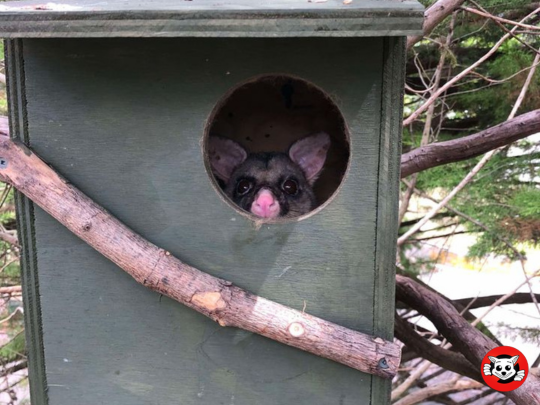
If you have possums thumping around in your roof, you know the sleepless nights they can cause. While our goal is to remove them from your ceiling to protect your property, we also understand the importance of ethical wildlife management. Possums are territorial, and once evicted from your roof, they need a new home nearby.
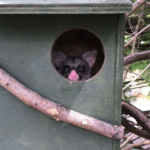
Installing a possum box is the perfect “safe alternative.” It provides a secure den for the displaced animal, reducing the likelihood that it will try to force its way back into your home. However, simply nailing a box to a tree isn’t enough. Success depends on location, height, and orientation.
Why should I install a possum box?
Providing a dedicated nesting box is a win-win solution for homeowners and local wildlife. It solves the immediate housing crisis for the possum you’ve just evicted from your roof while protecting your investment.
- Property Protection: A possum with a comfortable den is less likely to chew through fascia boards or lift roof tiles to get back inside your home.
- Legal Compliance: In Australia, possums are protected under law. You cannot relocate them far from their capture site (usually within 25-50 meters). A box ensures they stay in their territory without getting onto your roof.
- Ethical Management: It mimics the natural hollows found in old-growth trees, which are becoming scarce in urban environments like Sydney and Canberra.
What is the best height for a possum box?
Possums are arboreal animals, meaning they feel safest high up in trees, away from predators such as dogs, cats, and foxes.
- Minimum Height: Install the box at least 4 meters (approximately 13 feet) above ground.
- Ideal Range: Between 4 and 8 meters is generally best for Brushtail and Ringtail possums.
- Accessibility: Ensure you can still access the box safely with a ladder if maintenance is ever required, but at a height high enough to discourage vandalism or interference.
Which tree is best for a possum box?
Not all trees are created equal when it comes to hosting a possum box. You want a tree that offers stability, shade, and easy access for the animal.
- Mature Native Trees: Eucalypts, Banksias, and Wattles are ideal. Their bark texture makes it easy for possums to climb.
- Sturdy Forks: Place the box in a sturdy fork of the tree. This provides extra stability and makes it easier to secure the box.
- Avoid Smooth Bark: If the tree has very smooth bark, you may need to attach a rough timber runner or secure a branch to help the possum climb up to the box entrance.
Which direction should a possum box face?
Orientation is critical for the possum’s comfort and survival. The box needs to protect the animal from the harsh Australian sun and driving rain.
- South to South-East: This is the golden rule for Australian installations. Facing the box south or south-east protects the entry hole from the hot afternoon sun (which comes from the north/west) and prevailing strong winds.
- Tilt Forward: When installing, tilt the box slightly forward. This prevents rain from running into the entrance and ensures the bedding remains dry.
How do I attach the box to the tree?
You must secure the box without damaging the tree. Trees grow, and using the wrong fixings can harm the tree or cause the box to fall over time.
- Use Galvanised Strapping: Flexible metal strapping allows for tree growth.
- Use Spacers: Place a piece of timber or rubber between the box and the tree trunk to allow airflow and prevent rot.
- Avoid Nailing Flush: Do not nail the box directly flush against the trunk; as the tree grows, it will push the box off. Use “coach screws” that can be wound out as the tree expands.
Where do you offer possum box services?
We provide comprehensive possum removal and box installation services across major regions, catering to specific local housing styles.
- Sydney: Specialising in terrace houses in the Inner West and heritage homes on the North Shore, where roof voids are common nesting sites.
- Canberra: Servicing the leafy suburbs of the Inner South and Belconnen, where mature street trees provide ample possum highways.
- Southern Highlands: protecting older country estates and cottages in Bowral and Mittagong from seeking warmth in roof cavities during freezing winters.
- Blue Mountains: Assisting homeowners in bushland-adjacent properties where wildlife interaction is frequent.
What are the dos and don’ts for possum box installation?
To ensure your new tenant moves in and stays happy, follow this checklist.
Do:
- Do place some nesting material inside (like dead leaves or wood shavings) to make it inviting.
- Do ensure the box is secure and won’t wobble in high winds.
- Do install the box before you evict the possum from your roof, so the alternative accommodation is ready immediately.
- Do check the box annually (from the ground) to ensure it is still securely attached.
Don’t:
- Don’t face the entrance North or West; the afternoon sun will turn the box into an oven.
- Don’t use treated pine that contains arsenic or toxic chemicals; use untreated, durable timber or marine ply.
- Don’t try to force a possum into the box. They must discover it on their own.
- Don’t install the box too low where cats or dogs can reach it.
Ready to reclaim your roof ethically?
If you are dealing with noisy possums, don’t just kick them out! Give them a better place to live. Our team can help you evict the possum from your home, seal the entry points to prevent their return, and install a high-quality possum box in your yard.
Contact Possum Busters today on 1300 663 372 for a comprehensive inspection and humane solution. We offer 24/7 emergency service to restore peace to your home and safety to our native wildlife.