Hearing strange noises from your roof or finding unexpected droppings in your home can be unsettling. The first step in solving the problem is to identify the uninvited guest. For many homeowners, the mystery comes down to two common culprits: possums and rats.
Knowing the difference between their droppings is crucial for determining your next steps, as it impacts everything from health risks to legal removal methods. This guide will help you identify the pest, understand the risks, and know exactly who to call.
How do I tell the difference between possum and rat poop?
At first glance, all pest droppings might look the same. However, there are distinct differences between possum and rat droppings in size, shape, and consistency that can help you make a positive identification.
What do possum droppings look like?
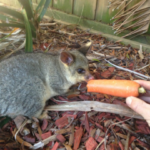
Possums are much larger than rats, and their droppings reflect this. They often resemble small dog droppings.
- Size: Generally large, around 2-3 cm long and about 1 cm wide.
- Shape: Often curved or spiral-shaped, resembling a small, dark banana. They tend to cluster together in piles.
- Consistency: The texture can vary depending on their diet. Droppings may contain partially digested leaves, seeds, and fruit.
What do rat droppings look like?
Rat droppings are smaller and more uniform, often scattered as the rat moves around.
- Size: Typically much smaller than possum droppings, usually 1-2 cm long.
- Shape: Spindle-shaped with pointed ends. Black rat droppings are often sausage-shaped, while brown rat droppings are more brick-shaped.
- Consistency: They are dark and have a consistent texture. Fresh droppings are soft and moist, while older ones become hard and crumbly.
What are the health risks associated with pest droppings?
Both possum and rat droppings pose significant health risks and should be handled with extreme caution. Disturbing them can release airborne pathogens that cause serious illness.
Health Risks from Possum Droppings
While less common, pathogens can be transmitted from possum waste.
- Buruli Ulcer: A skin infection caused by the bacterium Mycobacterium ulcerans, which has been linked to areas with possum populations.
- Leptospirosis: A bacterial infection spread through the urine of infected animals, which can contaminate soil and water where droppings are present.
Health Risks from Rat Droppings
Rats are notorious carriers of dangerous diseases that can be transmitted through their droppings, urine, and saliva.
- Hantavirus: A rare but severe respiratory illness that can be contracted by inhaling dust contaminated with rat droppings.
- Salmonellosis: A bacterial infection caused by consuming food or water contaminated with rat feces.
- Leptospirosis: Rats are primary carriers of this disease, which can lead to kidney damage and meningitis if left untreated.
Due to these risks, you should never attempt to clean up significant amounts of droppings without proper personal protective equipment (PPE). Professional removal is the safest option.
What pest is in my roof?
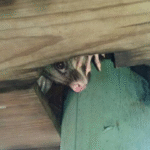
While droppings are a key clue, other signs can help you identify the pest. Noises are often the first indicator of a problem. Rats tend to scratch, scurry, and gnaw, creating frantic, light sounds. Possums, being heavier, make louder thumping and clunking noises as they move across your ceiling. They may also make hissing or screeching sounds.
Sometimes, the pest isn’t a mammal at all. Birds, such as pigeons and Indian Mynas, can also nest in roof cavities. Our Bird Removal services address these specific issues, which often involve different removal and proofing techniques. Distinguishing between possums, rats, and birds is the first step in our comprehensive Rodent Control and wildlife management process.
What is the legal difference between removing possums and rats?
The approach to removal is heavily dictated by Australian law, which is why correct identification is so important.
- Possums: As native Australian wildlife, possums are a protected species under the law. It is illegal to harm them or relocate them far from their territory. Any removal must be done humanely, and they must be released on the same property, typically within 25 meters of the capture point. This is why professional possum-proofing is essential. We remove the animal from your roof and then seal all entry points to prevent its return.
- Rats: Rats are considered invasive pests. They are not protected, and removal focuses on effective, complete extermination to protect property and public health.
This legal distinction is critical. Mishandling a protected species, such as a possum, can result in significant fines.
When should I call a professional vs. a wildlife rescuer?
Knowing who to call ensures the animal is handled safely, legally, and humanely.
When to Call Us:
- You find droppings inside your home, in the attic, or within wall cavities.
- You hear scratching, thumping, or scampering noises in your roof or walls.
- You notice property damage, such as chewed wires, damaged insulation, or holes in your eaves.
- You suspect a possum is living in your roof and need humane removal and proofing. This is common in the older heritage homes of Sydney and the Southern Highlands, where architectural gaps provide easy access.
When to Call Wildlife Rescuers (WIRES):
- You find a sick or injured possum in your yard or a public space.
- A possum is trapped in an unsafe location outside your home (e.g., tangled in a fence).
- You see a possum living in a tree on your property. Important: It is illegal to remove or relocate a healthy possum from your yard. Wildlife rescuers cannot assist in this situation.
How much does professional pest removal cost?
The cost of professional removal and proofing services varies based on several factors unique to your property. We provide a tailored quote after a thorough inspection. Key variables include:
- Roof height: A multi-story home requires more safety equipment and time than a single-story property.
- Tile type: Different roof materials, from terracotta to slate, require specific techniques and care when working on them to avoid damage.
- Access difficulty: Steeply pitched roofs or properties with limited access, such as some homes in Canberra near dense bushland, can increase the job’s complexity.
Our goal is to provide a permanent solution that involves not just removing the pest but also ensuring it cannot get back in. This provides long-term value and peace of mind.
Ready to Solve Your Pest Problem?
If you’ve found droppings or hear suspicious noises, don’t wait for the problem to get worse. Our expert team provides humane, effective, and legally compliant pest solutions across Sydney, Canberra, the Southern Highlands, and surrounding areas.
Contact us today for a comprehensive inspection and a tailored quote for our rodent control, bird, and possum removal services. Let Possum Busters protect your property and restore your peace of mind.