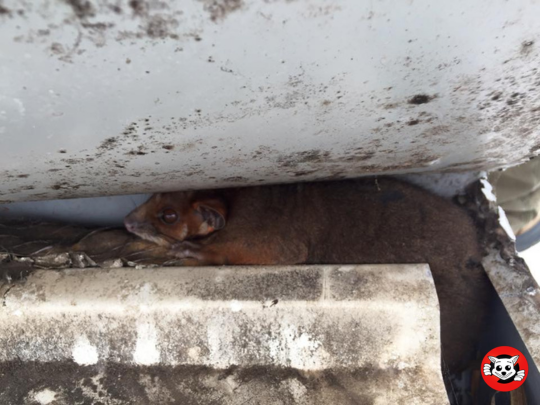
That sudden thump from above in the dead of night is enough to startle anyone. You lie awake, listening intently. Is it just the house settling, or is something moving around in your roof? Unexplained noises from the ceiling are a common concern for many Australian homeowners. While your mind might race through various possibilities, one of the most frequent culprits is a possum that has decided your roof space makes for a perfect home.
Quick Answer: How can you tell if that noise is a possum?
A possum in the roof usually sounds like heavy scratching, thumping, or slow scurrying, most often at night. You may hear dragging or walking noises as possums move through roof spaces, especially during early evening or before dawn. These sounds are louder and slower than rats and often repeat nightly.
Understanding these sounds is the first step in identifying your uninvited guest and taking the right steps to address the situation safely and legally.
Common Noises a Possum Makes in the Roof
Possum noises are distinct from those of smaller pests like rats or mice. Their size and habits create a unique sound profile that, once you know what to listen for, becomes easier to identify.
Heavy Scratching
One of the most common sounds is a heavy, deliberate scratching. This is often caused by the possum’s strong claws digging into timber beams, plasterboard, or insulation as it moves around. Unlike the frantic, light scratching of a rat, possum scratching sounds slower and more forceful. You might hear it as the animal explores the roof cavity or tries to improve its nesting area.
Thumping or Bumping
A loud thump or bump is a tell-tale sign of a possum. Common Brushtail Possums, which are frequent invaders of roof spaces, are solid animals. A simple jump from a rafter to the “floor” of your ceiling can sound like a piece of fruit or a heavy ball being dropped. These thumps are often startling and are a clear indicator that something with significant weight is moving about.
Slow Scurrying
While rats are known for their fast, frantic scurrying, possums move with a more measured pace. You might hear what sounds like a slow, heavy drag or a deliberate walk across the ceiling. It can sound as if a small pet is walking around in the attic. This noise is created by the possum moving from its nest to its exit point for a night of foraging.
Dragging or Movement Sounds
Sometimes, you may hear a dragging noise. This could be the possum pulling nesting materials, such as leaves and twigs, into your roof space. It can also be the sound of the possum itself as it squeezes through tight spaces. These sounds confirm that the animal is not just passing through but actively trying to make your roof its permanent residence.
These noises are a direct result of a possum’s size and nocturnal nature. As relatively large marsupials, their movements are naturally louder and more impactful than those of rodents.
At What Time Are Possum Roof Noises Most Common?
Identifying when you hear the noises is just as important as what they sound like. Possums are nocturnal, meaning their schedule is the opposite of yours.
Their activity peaks during the night. You will most likely hear them shortly after dusk, as they wake up and leave the roof to find food. This is often when the loudest thumps and scurrying noises occur as they head for their preferred exit point. You may hear them again just before dawn as they return to the roof to sleep for the day. If you’re a light sleeper, these pre-dawn movements can be a regular and unwelcome alarm clock.
Activity can also increase at certain times of year, particularly during the breeding season, when possums may be more territorial or more active in establishing nests.
How do these noises compare to another common roof invader, the rat?
Sound Type | Possum | Rat |
Volume | Loud, heavy | Light, fast |
Movement | Slow, deliberate | Rapid scurrying |
Time | Night | Night |
Frequency | Repeats nightly | Sporadic |
How to Tell If the Noise Is a Possum
If you’re still trying to diagnose the sounds from above, consider these key indicators. A combination of them strongly points toward a possum problem.
- Size of Noise: Possum noises are heavy and loud. Think thumps, bumps, and slow, weighty scurrying. Rat noises are light, fast, and scratchy.
- Frequency: Possums are creatures of habit. If you hear noises at the same time every evening and morning, it’s likely a possum following its routine. Rodent noises can be more sporadic.
- Time of Day: The activity is almost exclusively nocturnal. If you hear noises during the day, it’s less likely to be a possum, unless it has been disturbed.
- Associated Smells or Damage: A possum living in a roof will eventually create a mess. You may notice a strong, musky odour from their urine and droppings. In some cases, urine stains may appear on your ceiling. You might also find torn-up insulation or damage near your eaves where they are getting in and out.
Are Possum Roof Noises a Sign of Damage?
Hearing a possum is more than just a nuisance; it’s an early warning sign of potential damage to your property. While they may seem harmless, their presence in a roof cavity can lead to serious problems if left unchecked.
Possums will disturb insulation, tearing it up to create comfortable nests. This can reduce your home’s energy efficiency and lead to higher heating and cooling bills. They will also chew on timber or wiring, creating a potential fire hazard.
Also, their urine and droppings can accumulate, creating foul odours and causing serious ceiling stains and water damage over time. The entry points they use to access your roof can also allow water to get in, leading to wood rot and further structural problems. Leaving a possum in your roof means these risks will only grow over time.
What to Do If You Hear a Possum in Your Roof
Discovering you have a possum roommate can be stressful, but it’s important to handle the situation correctly and safely.
- Do Not Block Entry Points: Your first instinct might be to find the hole and seal it. However, blocking the entry while the possum is inside will trap it, causing it to die and create a much larger problem. If you block it while the possum is out, it may cause significant damage as it tries to get back in, especially if it has young ones inside.
- Avoid DIY Removal: It’s tempting to try and remove the animal yourself, but this is often illegal and can be dangerous. Possums can become aggressive when they feel cornered.
- Observe Noise Patterns: Note when you hear the noises. This information can be very helpful for a professional who needs to understand the possum’s routine to effectively and humanely remove it.
- Contact a Licensed Possum Removal Professional: The best and safest course of action is to call a specialist. If you’re hearing these noises in your home, a local possum removal specialist in areas like Sydney, Canberra, or Newcastle can provide expert assistance.
Are Possums in Roofs Protected in Australia?
Yes, all species of possums, including the Common Brushtail and Ringtail possums, which are often found in roofs, are protected native animals under Australian law. This means it is illegal to harm them, capture them, or relocate them without a proper license.
These laws are in place to protect our native wildlife. Incorrectly relocating a possum, for example, by taking it to a park far away, is illegal, as the animal will likely not survive in a new, unfamiliar territory. This is why professional intervention is not just recommended, it’s legally required. Licensed professionals are trained to remove possums humanely and relocate them according to strict government guidelines, ensuring the animal’s welfare and providing a permanent solution for you.
Those strange sounds in your roof aren’t just a mystery to be ignored. They are often the first sign that a protected native animal has moved in, and with it comes the risk of property damage. By understanding what possum noises sound like and why DIY removal is not an option, you can take the correct steps to protect both your home and the animal.
If you’re hearing unexplained noises in your roof and suspect a possum, speaking with a licensed possum removal specialist like Possum Busters can help confirm the cause and prevent further damage.