Managing a strata property comes with a unique set of challenges. High-density living means that when one unit faces a pest issue, the entire building is quickly at risk. Pests travel easily through shared walls, plumbing voids, and common areas. A single cockroach sighting in a Sydney apartment can quickly escalate into a building-wide infestation.
Reactive pest control is stressful, expensive, and frustrating for residents. To maintain building integrity and keep occupants happy, property managers and strata committees must stay ahead of the curve. Implementing a proactive, year-round strategy is the most effective way to safeguard your asset.
This guide provides a comprehensive seasonal pest control checklist tailored for Australian strata properties. You will learn exactly what threats to look for during each season and how to protect your building from top to bottom.
Why is seasonal pest control important for strata properties?
Seasonal changes in Australia drive pest behaviour.
As temperatures fluctuate across cities like Canberra and Sydney, different insects and rodents seek food, water, or shelter inside your buildings. A one-off spray simply cannot address these changing environmental pressures.
Proactive strata property pest management offers substantial cost savings.
Preventive maintenance is always cheaper than repairing the extensive damage caused by termites, rats, or possums. By stopping an infestation before it takes hold, body corporate entities avoid hefty emergency call-out fees and costly structural repairs.
Furthermore, strata committees have strict health and safety responsibilities.
You must provide a safe, hygienic environment for all residents. Consistent pest control for strata properties ensures compliance with local health regulations and prevents disputes between tenants and landlords over infestation responsibilities.
What pests should strata managers target in summer?
Australian summers provide the perfect breeding ground for rapid pest reproduction. High heat and humidity cause cockroach, ant, and mosquito populations to explode. In high-density living spaces, these pests naturally gravitate toward moist, cool areas with abundant food sources.
Bin rooms and waste disposal chutes become high-risk zones during summer. Food waste breaks down much faster in the heat, creating an irresistible draw for ants and flies. Similarly, pool areas, underground car parks, and damp basements provide the standing water that mosquitoes need to breed.
Your Summer Pest Control Checklist:
- Inspect and deeply clean all communal bin rooms and garbage chutes weekly.
- Ensure all common area outdoor bins have tight-fitting lids.
- Check basement levels and parking garages for pooled water or leaking pipes.
- Treat pool areas and communal gardens for mosquitoes and ants.
- Schedule a commercial cockroach spray for all shared hallways and lobbies.
- Seal cracks around exterior doors to prevent ants from marching indoors.
How can strata properties prepare for autumn pests?
As the intense summer heat begins to fade, pest behaviour shifts. Autumn is a transitional period. Spiders become highly active as they build webs to catch the last of the summer insects. At the same time, rodents begin scouting for warm, dry places to spend the upcoming winter months.
Autumn is the perfect time for strata committees to focus on exterior maintenance. Falling leaves and dying vegetation create excellent hiding spots for pests. When gutters block and garden beds overgrow, you inadvertently invite spiders and mice closer to the building foundation.
Your Autumn Pest Control Checklist:
- Clear all gutters and downpipes of fallen leaves and debris.
- Trim back overhanging tree branches away from balconies and rooflines.
- Inspect the building exterior for new cracks or gaps and seal them immediately.
- Remove dense, dead vegetation from common garden beds.
- Check subfloor ventilation grates to ensure they are intact and secure.
- Install early-warning rodent bait stations in low-traffic basements and bin areas.
What pests hide inside strata buildings during winter?
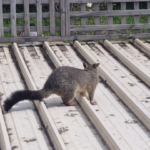
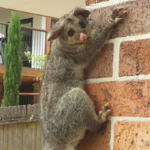
Winter drives pests indoors. Rats, mice, and possums actively seek out the warmth radiating from residential buildings. Roof voids, wall cavities, and subfloors become prime real estate for these destructive animals. Once inside, they can chew through electrical wiring, destroy insulation, and create severe fire hazards.
Urban areas across Australia see a massive spike in rodent activity during the colder months. Because strata buildings offer numerous entry points through shared utility lines and large roof spaces, they are particularly vulnerable. Effective strata property pest management during winter relies entirely on exclusion and active monitoring.
Your Winter Pest Control Checklist:
- Conduct a thorough inspection of the roofline for loose tiles or damaged eaves.
- Ensure all chimney flues, vents, and extraction fans are covered with heavy-duty mesh.
- Monitor existing rodent bait stations and replenish them as necessary.
- Listen for reports of scratching noises from top-floor residents, which may indicate possums.
- Check communal storage cages and lock-up garages for signs of rodent droppings or nesting materials.
- Keep fire doors and external access doors closed to prevent easy ground-level entry.
How do you stop spring pest breeding in strata properties?
Spring brings a massive resurgence of insect activity. As the weather warms up, pests that were dormant during winter begin to wake up, feed, and breed. This is the most critical time for termite swarming in Australia. Termites can cause catastrophic structural damage to strata buildings if left unchecked.
Birds also become a significant nuisance during spring. Pigeons, mynas, and seagulls frequently nest on balconies, in eaves, and atop air conditioning units. Their droppings deface the building exterior, create slip hazards, and carry transmissible diseases. Preparing your property in early spring stops these pests from establishing a foothold.
Your Spring Pest Control Checklist:
- Book a comprehensive, professional termite inspection for the entire building perimeter.
- Install physical bird deterrents, such as spikes or netting, on exposed ledges and plant equipment.
- Clear away any remaining winter debris from courtyards and light wells.
- Service and clean all communal BBQ areas to remove built-up grease and food scraps.
- Apply a protective barrier spray around the foundation to stop the return of crawling insects.
- Ensure all window screens in common areas are free of tears and holes.
Why hire professional pest control for strata buildings?
Managing pest control across a large multi-tenant complex is not a DIY job. Hardware store sprays and domestic traps are entirely inadequate for the scale of a strata building. Professional pest control for strata properties requires specialised equipment, commercial-grade treatments, and deep technical knowledge of building construction.
Commercial technicians understand how pests move through shared utility channels and HVAC systems. They can identify the root cause of an infestation rather than just treating the visible symptoms. This targeted approach eliminates the problem faster and prevents it from spreading to other units.
Furthermore, professional services provide essential documentation. Strata managers receive detailed service reports, compliance certificates, and safety data sheets for all chemicals used. This paperwork is crucial for body corporate records, proving that the committee is actively fulfilling its duty of care to residents.
Secure Your Strata Property Today
A reactive approach to pests will always cost your strata committee more in the long run. By implementing a proactive seasonal pest control checklist, you protect the building’s infrastructure, save money on emergency repairs, and ensure a hygienic environment for every resident. From summer cockroach swarms to winter rodents, staying prepared makes all the difference.
Don’t wait for a tenant complaint to take action. Take control of your building’s pest management strategy today.
If you need immediate assistance or want to schedule a full building inspection, contact our professional commercial pest control team. Possum Busters provide tailored, highly effective solutions for strata properties across Australia.