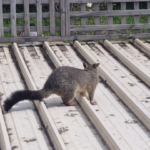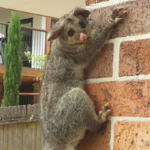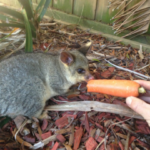
If you live on Sydney’s Northern Beaches, you already know the sound. A heavy thump above the ceiling just after dusk. The scrape of claws across roofing tiles. The occasional screech cuts through an otherwise quiet night. From Manly to Palm Beach, possum activity is a regular feature of life in this part of Sydney, and every spring, it intensifies.
The Northern Beaches sit at the intersection of some of Sydney’s most significant wildlife corridors. Garigal National Park and Ku-ring-gai Chase National Park together form a continuous belt of native bushland running through and around the peninsula, and the possums that live in those parks don’t stay there. They move through gardens, along fence lines, over rooftops, and into roof cavities, particularly in spring, when breeding season drives them further and more urgently than at any other time of year.
Understanding when possum season peaks, why this area is a consistent hotspot, and what to do before the busiest months arrive is the difference between getting ahead of the problem and dealing with a fully established roof resident in November.
When is possum season on the Northern Beaches?
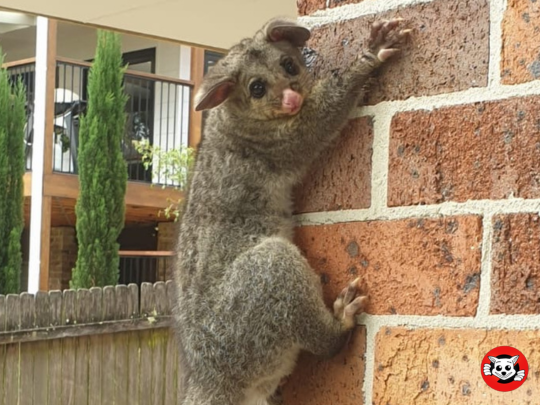
Possum breeding season in NSW runs from August through November, with peak activity in September and October. This is when the two species you’re most likely to encounter on the Northern Beaches, the Common Brushtail Possum (Trichosurus vulpecula) and the Common Ringtail Possum (Pseudocheirus peregrinus), are at their most active, territorial, and vocal.
| Period | Possum activity level | What to watch for |
|---|---|---|
| Jun – Jul (Winter) | Low – reduced movement | Existing residents stay put. Good time for inspection and proofing. |
| Aug – Sep (Early spring) | ⬆ Rising – breeding begins | Territorial noise, new intrusions begin. Act now to beat the rush. |
| Oct – Nov (Peak season) | ⬆⬆ Peak – highest demand | Maximum noise, intrusions, and service bookings. Longer wait times. |
| Dec – Feb (Summer) | ⬆ High – juvenile dispersal | Young possums seek new territory. Second wave of new intrusions. |
| Mar – May (Autumn) | Moderate – settling period | Territories established. Good time for proofing before the next cycle. |
The table above shows that possum activity doesn’t follow a simple on/off pattern. Breeding season drives the first major wave, but juvenile dispersal in December and January brings a second. A roof that was possum-free in July can be occupied by October, and a possum that moved in during spring can still be there the following winter if nothing is done.
Winter is actually the ideal window for inspection and proofing. Activity is lower, making it easier to confirm whether a roof is occupied, and there’s no waiting-list pressure. By August, that window has largely closed.
Why the Northern Beaches sees more possum activity than most of Sydney
The Northern Beaches isn’t just adjacent to bushland; in many places, it is bushland, with residential streets carved through native canopy rather than the other way around. That geographical reality has two important consequences for homeowners.
The bush corridor effect
Garigal National Park covers more than 2,300 hectares of forest and heath running from the Lane Cove River to the coast, with extensions connecting into Ku-ring-gai Chase to the north. These parks don’t function as isolated reserves; they’re active wildlife corridors, and possums move freely between them and the surrounding suburbs. Belrose, Frenchs Forest, Terrey Hills, and the western edges of Narrabeen and Newport all border this corridor. Possums denning in the national park forage through adjoining gardens nightly, and during breeding season, when competition for territory increases, roof cavities become attractive denning alternatives.
The housing stock
Much of the Northern Beaches was developed from the 1940s through to the 1970s, and the older housing stock that defines suburbs like Freshwater, Collaroy, Narrabeen, and parts of Manly is particularly vulnerable to possum entry.
Weatherboard and fibro homes have timber fascias and eave linings that age and gap over time. Terra cotta tile roofs develop cracks and lifted edges. Older roof vents lack the mesh screening now standard on modern builds. The combination of ageing materials and proximity to bushland makes this area one of Sydney’s highest-risk areas for recurring roof possum problems.
What changes in your roof during possum season
A possum that visits your garden occasionally is one thing. A possum that has decided your roof cavity is its primary denning site is a different matter entirely.
During breeding season, what begins as exploratory nocturnal visits can quickly become permanent residence. A female Brushtail Possum will establish a den in a roof cavity and reliably return to the same site, often raising her joey there through the warmer months. If the entry points are not sealed before this happens, the pattern repeats the following year and the year after that.
The physical consequences accumulate quietly. Insulation is disturbed and compressed, reducing its thermal effectiveness. Urine soaks through to ceiling linings, causing staining that is expensive to repair and, in severe cases, creates hygiene concerns. In properties with older wiring, the risk is more serious, as possums chew through cable insulation, and damaged electrical wiring in a roof cavity is a genuine fire hazard that your insurer will want to know about.
There is also a secondary wave to be aware of. Common Ringtail Possums can produce two litters per year, with juveniles from spring litters dispersing from December onward to find their own territory. If your immediate neighbours have their roofs proofed and yours is not, their displaced juvenile has to go somewhere. A sealed suburb gradually concentrates the problem in the untreated properties.
The Northern Beaches homes that are at most risk
While no property on the Northern Beaches is completely immune during peak season, certain home types and locations carry a higher baseline risk.
Homes backing onto reserve or bush edges
Properties in Belrose, Terrey Hills, Newport, Avalon, and Palm Beach that adjoin national park or bushland are at the highest risk for both Brushtail and Ringtail intrusions. Direct bush access eliminates the usual barriers that slow possum movement in more urban suburbs.
Older weatherboard and fibro homes
Particularly common in Freshwater, Collaroy, Narrabeen, and Brookvale. Timber fascias and eave linings gap and soften over time, creating entry points that don’t require any effort to access.
Federation and inter-war brick homes
Common in Manly and Freshwater, these properties typically have terra cotta tile roofs with bedding mortar that cracks and crumbles with age, leaving gaps that are hard to spot from the ground but easy for a possum to find from above.
Properties with large established trees
Across Dee Why, Mona Vale, and Newport, mature eucalypts and angophoras create natural possum highways from the canopy straight to the roofline. Without overhanging branch management, these trees provide direct roof access year-round.
Homes with solar panel installations
The Northern Beaches has one of the highest rates of residential solar in Sydney. The brackets and frames of older solar installations frequently leave gaps at the roof edge that are invisible from street level but function as reliable entry points for possums exploring at night.
Early warning signs to watch for this spring
The earlier you identify possum activity, the more straightforward the solution. These are the signs worth paying attention to from August onwards.
- Thumping or heavy movement sounds in the ceiling cavity after dusk, louder and more deliberate than the light scratching of a rat
- Screeching, hissing, or chattering sounds at night, particularly if they seem to be moving across the roof rather than staying in one place
- Cylindrical droppings on decking, outdoor furniture, fence lines, or around downpipes, 2 to 3 cm long and significantly larger than rat droppings
- Scratch marks on fascia boards, near guttering, or at roof edges, sometimes accompanied by small tufts of fur caught on rough surfaces
- A strong ammonia smell from a ceiling void or roof hatch, which indicates established denning rather than a passing visitor
- Fresh digging or disturbance in garden beds directly below the roofline, where a possum may be foraging before returning to the roof at night
Why acting before peak season matters
There are two practical reasons to address a possum problem in August or early September rather than waiting to see how the season develops.
The first is scheduling. Demand for licensed possum removal services on the Northern Beaches increases significantly through October and November as the breeding season peaks. Bookings made in September are typically completed within a week; the same booking made in late October may mean a longer wait. For homeowners who are already being disturbed at night, that difference matters.
The second reason is the nature of the solution itself. A full removal and proofing job, trap placement, capture, release, and sealing of all entry points, takes time to complete properly. Rushing the proofing stage or attempting to seal entry points before the cavity is confirmed clear creates its own serious problems. Starting early means the job can be done thoroughly, without the time pressure that comes with a fully active possum season.
If you’ve had a possum in your roof before, the calculus is simpler still. A possum that has denned in your roof cavity knows your property, knows the entry points, and will return to the same site season after season unless those points are permanently sealed. An inspection and proofing job completed before August is the most cost-effective way to interrupt that cycle.
Book your Northern Beaches possum inspection
Possum Busters has been servicing Sydney’s Northern Beaches for over 30 years. From Manly to Palm Beach, we understand the specific challenges this area presents, the bush corridors, the older housing stock, and the particular possum species that are most active here, and we bring that experience to every job we carry out.
If you’re starting to notice the signs described in this guide, or if you’ve had a possum problem in previous years, now is the right time to book an inspection. We offer a free advice call if you’re not yet sure what you’re dealing with, and every removal job comes with our 12-month guarantee on all sealed entry points. Get in touch with us today.