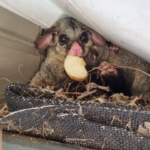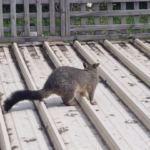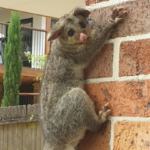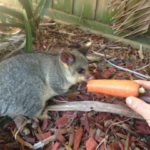
That sudden thump from above in the dead of night is enough to startle anyone. You lie awake, listening. Is it just the house settling, or is something moving around up there? For many Australian homeowners, the answer is a possum that has decided your roof space makes a perfect home.
The good news is that a possum in the roof is a common problem with a proven fix. Below we cover how to tell it’s a possum, what the law says, how removal works, and how to make sure it doesn’t come back.
Quick answer: A possum in the roof usually sounds like heavy thumping, slow dragging or footsteps, mostly just after dusk and again before dawn. Other signs are a musky, ammonia-like smell, urine stains on the ceiling and droppings around the eaves. Possums are protected in NSW, so the safest fix is a licensed removalist who removes the possum humanely and seals the roof so it can’t get back in.
What Does a Possum in the Roof Sound Like?
Possum noises are quite different from those of smaller pests like rats or mice. Once you know what to listen for, they become easier to pick.
Heavy Thumping or Bumping
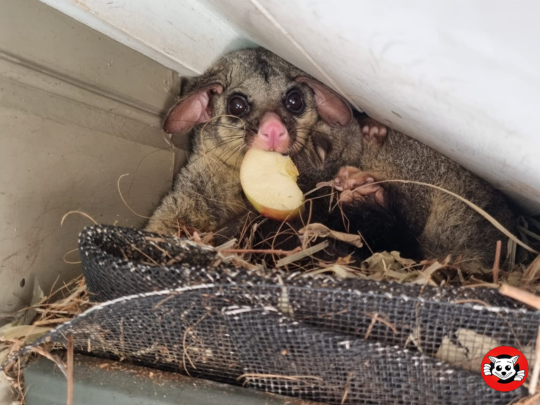
Common Brushtail Possums, the species most often found in roofs, are solid animals. A simple jump from a rafter onto your ceiling can sound like a piece of fruit or a heavy ball being dropped. If the thumps are loud enough to startle you, something with real weight is moving about.
Slow, Heavy Footsteps
Rats scurry. Possums walk. You might hear what sounds like a small pet, or even a person, walking slowly across the ceiling. This is usually the possum moving from its nest to its exit point for a night of foraging.
Heavy Scratching
Possum scratching is slower and more forceful than the light, frantic scratching of a rat. It comes from strong claws gripping timber beams, plasterboard or insulation as the possum moves around or rearranges its nest.
Dragging Sounds
A dragging noise is often the possum pulling leaves, twigs and other nesting material into your roof space, or squeezing itself through a tight gap. It’s a sign the possum isn’t just passing through. It’s settling in.
When Are Possum Noises Most Common?
Possums are nocturnal, so their schedule is the opposite of yours. You’ll usually hear the loudest activity shortly after dusk, as they wake up and head out to feed, and again just before dawn, when they return to sleep for the day. If you’re a light sleeper, those pre-dawn movements can become a regular and unwelcome alarm clock.
Activity can also increase during breeding season, when possums are more territorial and busier with their nests. If you hear noises during the middle of the day, it’s less likely to be a possum, unless something has disturbed it.
Is It a Possum or a Rat?
Rats are the other common roof invader, and the difference matters. Rats are a pest you can deal with yourself. Possums are protected native animals, so the way you handle them is very different.
| Sign | Possum | Rat |
| Volume | Loud, heavy thumps | Light, fast pattering |
| Movement | Slow, deliberate walking | Rapid scurrying |
| Timing | Just after dusk and before dawn | On and off throughout the night |
| Pattern | Same times, night after night | Sporadic |
| Droppings | Larger, cylindrical, blunt ends, usually in clusters | Smaller, thinner, pointed ends, scattered |
| Smell | Strong, musky, ammonia-like | Sour, musty |
If you’re still not sure, a licensed technician can confirm what’s up there during an inspection.
Other Signs of a Possum in Your Roof
Noise is usually the first clue, but a possum living in your roof will eventually leave other evidence behind.
A Musky, Ammonia-Like Smell
Possum urine has a strong, musky smell that builds up over time and can drift into the rooms below, especially in warmer weather. In the worst cases, a strong smell can mean a possum has died in the roof space after becoming trapped. Professional cleaning and deodorising is recommended either way, as the waste can carry bacteria and parasites.
Urine Stains on Ceilings and Walls
Brushtail possums often use the same spot in the roof as a toilet. Over time this can show up as dark brown or yellow stains on your ceiling, or drip marks tracking down corners and walls.
Droppings Around the Eaves
Possum droppings are cylindrical and dark brown to almost black. The typical length is about 2 to 3 cm. You may find them in the roof space, around the eaves or near the entry point. Wear gloves and a mask if you clean them up, wash your hands thoroughly afterwards, and consider a professional clean if there’s a large build-up.
Disturbed Insulation and Nesting Material
Possums love a cosy nest, and roof insulation is the first place they’ll make themselves comfortable. Matted or torn insulation, or a build-up of leaves, twigs, paper or fabric scraps, points to a possum making itself at home. Disturbed insulation also loses its ability to regulate temperature, which can push up your heating and cooling bills.
Damage to Tiles, Vents and Eaves
Broken or displaced tiles, torn vents and damaged soffits can all mark a possum’s entry point. These gaps can also let in water and other pests, so they’re worth fixing promptly.
Is It Legal to Remove a Possum From Your Roof?
Possums are protected native animals in NSW, including the Common Brushtail and Ringtail possums most often found in roofs. That means a few rules apply:
- It’s illegal to harm or kill a possum, and that includes using rat poison or baits in your roof.
- A possum can only be removed from inside a building, such as a roof space. Possums living in trees or gardens can’t legally be removed.
- A possum taken from a roof must be released close to home, no more than 150 metres away, so it stays in its own territory.
- Catching a possum without the right licence is illegal.
Taking a possum to a park or bushland “somewhere nicer” might feel kind, but it’s against the law and the possum is unlikely to survive in unfamiliar territory. That’s why licensed, WIRES-recommended professionals follow strict government guidelines on how and where possums are released.
Why DIY Removal Often Goes Wrong
It’s tempting to find the hole and block it yourself. Here’s why that often makes things worse:
- Sealing too early traps the possum. Block the entry while the possum is inside and it may die in your roof, which creates a far bigger problem than noise.
- Sealing too late causes damage. Block it while the possum is out and it may tear at your roof trying to get back in, especially if it has young inside.
- There’s often more than one possum or more than one way in. Miss either and you’re back to square one.
- A possum-scented roof attracts the next one. Possums are territorial. Remove one without proofing the roof and another will soon move into the empty space.
- Cornered possums can be aggressive. And catching one without a licence is illegal.
If you’ve tried a few things and you’re still hearing it at night, it’s time to call someone who does this every day.
Still hearing noises in your roof? Call 1300 663 372 for free possum advice.
How to Keep Possums Out for Good
The lasting fix isn’t just removing the possum. It’s making sure your roof can’t be used again. That means sealing every entry point, repairing loose tiles, vents and eaves, trimming overhanging branches and giving the possum a better option nearby with a possum box.
At night, it also helps to secure pet doors and bring in pet food, as possums are opportunistic and will happily take an easy meal or an easy way inside.
Every Possum Busters removal is backed by our 12-month guarantee. If they’re back, we’re back, at no cost to you.
What to Check Once the Possum Is Gone
A possum that’s been living in your roof for a while can leave damage behind. Once it’s out, it’s worth checking:
- Wiring: possums chew on timber and wiring, which can create a fire hazard.
- Insulation: torn or flattened insulation should be repaired or replaced to keep your home’s energy efficiency up.
- Ceilings: urine and droppings can stain and weaken plasterboard over time.
- Roof and entry points: gaps can let water in, leading to wood rot and further structural problems.
Our team can carry out a full roof inspection and handle any repairs, so the whole problem is sorted in one visit.
Frequently Asked Questions
Will a possum leave my roof on its own?
It may leave each night to feed, but it will usually come back before dawn. Even if it moves on, a roof that smells of possum is likely to attract another one unless the entry points are sealed.
Can I use rat poison to get rid of a possum?
No. Possums are protected, and poisoning one is illegal. It’s also a cruel and painful death for the animal, and it can leave you with a dead possum in your roof.
Do you remove possums from trees or gardens?
No. By law, possums can only be removed from inside a building, such as a roof space. For possums in the garden, we’re happy to offer advice on living alongside them.
Can possums damage electrical wiring?
Yes. Possums chew on timber and wiring, which can create a fire hazard. It’s worth having your wiring checked if a possum has been living in your roof.
Is your possum removal guaranteed?
Yes. Our work is backed by a 12-month guarantee. If a possum gets back into your roof within 12 months, we’ll come back and fix it at no cost to you.
Peace of Mind, Guaranteed
Those noises in your roof aren’t something to ignore. They’re often the first sign that a protected native animal has moved in, and the risk of damage only grows the longer it stays.
Possum Busters has more than 30 years’ experience removing possums humanely and legally across Sydney, NSW and the ACT. Our technicians are licensed by National Parks and Wildlife and WIRES-recommended, and every job is backed by our 12-month guarantee.
CALL: 1300 663 372 or GET FREE POSSUM ADVICE.